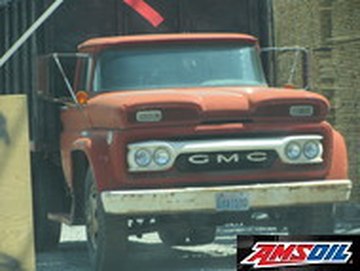
Lubrication Maintenance for the 1982 Gmc Trucks JIMMY 5.7L
Maintaining a vehicle like the 1982 Gmc Trucks JIMMY with its 5.7L engine requires a consistent approach to fluid management and mechanical inspection. As vehicles age, the importance of monitoring lubrication systems becomes even more pronounced. Proper upkeep ensures that internal components remain protected against friction and heat, which is essential for long-term operational stability.
Monitoring Fluid Integrity and Condition
One of the most effective ways to monitor the health of an engine is through regular observation of its fluids. For a 1982 Gmc Trucks JIMMY, this involves more than just checking levels; it requires looking for changes in the physical properties of the oil. If the lubricant appears excessively dark, gritty, or shows signs of unusual odor, it may indicate that the fluid has been subjected to extreme thermal stress or heavy contamination.
When performing routine checks, look for any evidence of fluid seepage around the engine block or sealing surfaces. While some minor seepage is common in older engines, significant leaks can lead to unexpected oil loss. If you notice wetness on the underside of the engine or near various gaskets and seals, it warrants a closer inspection to determine the source. Addressing these observations early can prevent more extensive mechanical issues down the road.
Systematic Inspection of Engine Components
A proactive maintenance strategy involves inspecting the peripheral components that support the engine's operation. For instance, if equipped, accessible drive belts should be examined for signs of wear such as cracking, glazing, or fraying. Similarly, any visible hoses should be checked for softness, bulging, or leaks. These components are vital for maintaining the correct operating environment for the 5.7L engine.
Electrical connections and wiring harnesses also deserve attention. Over time, heat cycles and vibration can affect the integrity of connectors. Ensuring that electrical paths remain clean and secure helps prevent erratic sensor readings or other electrical inconsistencies. By combining fluid monitoring with a thorough visual inspection of these auxiliary parts, an owner can establish a much clearer picture of the vehicle's current mechanical state.
Managing Long-Term Ownership and Service History
For owners of a 1982 Gmc Trucks JIMMY, maintaining a detailed service history is one of the most valuable tools for effective maintenance. Having a record of when oil was changed, which filters were used, and what repairs were performed allows you to identify patterns. For example, if you notice that oil consumption has increased over several months, your records can help you determine if this is a recent development or a gradual change.
If the vehicle's service history is unknown, the first priority should be establishing a maintenance baseline. This involves performing a comprehensive inspection of all fluids and major components to document their current condition. Once this baseline is set, any future deviations—such as a new leak or a change in how the engine sounds during operation—can be identified more easily. Moving from reactive repairs to a schedule based on documented observations is a hallmark of disciplined vehicle ownership.
Identifying Potential Operational Changes
It is important to remain observant of how the 5.7L engine behaves during different operating conditions. While many symptoms can have multiple underlying causes, certain changes should never be ignored. For example, if you notice unusual mechanical noises that were not present previously, or if there is a change in the appearance of exhaust gases, these are indicators that the engine's internal environment may be changing.
An oil-related warning indicator on the dashboard requires immediate investigation to prevent potential damage. Furthermore, any sudden changes noticed shortly after a service interval should be evaluated. If an issue arises immediately following an oil change or filter replacement, it is prudent to re-examine the work performed to ensure everything was seated and tightened correctly. Always remember that symptoms are signals for further investigation rather than definitive diagnoses.
Prioritizing Maintenance Tasks as the Vehicle Ages
As a 1982 Gmc Trucks JIMMY continues to be driven, maintenance priorities may shift. Rather than following a generic checklist, it is more effective to prioritize tasks based on the actual condition of the vehicle. This means addressing active leaks or visible signs of component wear before moving on to purely preventive measures.
Distinguishing between necessary repairs and unnecessary parts replacement is key to efficient maintenance. For example, an aging belt that still shows no signs of cracking or glazing may not require immediate replacement, whereas a hose that feels brittle should be addressed promptly. By focusing on the components that show actual signs of deterioration, you can manage maintenance costs while ensuring the engine remains well-protected.
Practical Guidance for BUYING ENGINE OIL for your 1982 Gmc Trucks JIMMY 5.7L
When it is time to replenish the lubrication in your 1982 Gmc Trucks JIMMY 5.7L, the most important step is to match the lubricant to the specific requirements of your engine. To ensure you are using the correct product, refer to the application-specific oil viscosity and information already displayed on this webpage.
When selecting a product, consider the following practical steps:
- Verify Viscosity: Always match the oil to the vehicle-specific viscosity information provided in the application data above. Do not rely on general assumptions about engine age or size.
- Check API Certification: Ensure that any oil you purchase carries the appropriate API service certification listed on the product packaging.
- Evaluate Formulations: Depending on your specific needs, you may choose between conventional, synthetic blend, or full synthetic oils. Some high-mileage formulations also contain additives intended for use in aging engines, including seal-conditioning additives.
- Inspect Labels: Before completing a purchase, carefully read the product label to confirm it meets the technical specifications required for your 5.7L engine.
By following the specific guidance provided on this page, you can ensure that your lubrication choices support the continued operation of your vehicle.